
The recent shift in Pakistan's solar energy policy from net metering to net billing has sparked significant controversy and concern among solar users and policymakers. According to Pakistan Today, the National Electric Power Regulatory Authority (NEPRA) has altered the compensation structure for solar energy, affecting 466,000 households who had previously signed multi-year agreements. Under the new net billing system, surplus electricity is sold back to the grid at a fixed rate of approximately Rs 26 per unit, while consumers continue to purchase electricity at higher retail tariffs, effectively creating a 'sell low, buy high' scenario. This abrupt policy change has led to political backlash, with the power minister assuring lawmakers that existing consumers would not be affected, and the prime minister instructing the Power Division to file an appeal, indicating potential reconsideration of the policy. The sentiment across sources like Geo News and TechJuice is predominantly negative, highlighting the financial strain this change imposes on solar users who invested in rooftop solar to mitigate high electricity costs.
ENERGY
Pakistan's Solar Capacity Could Cut Fossil Fuel Import Costs
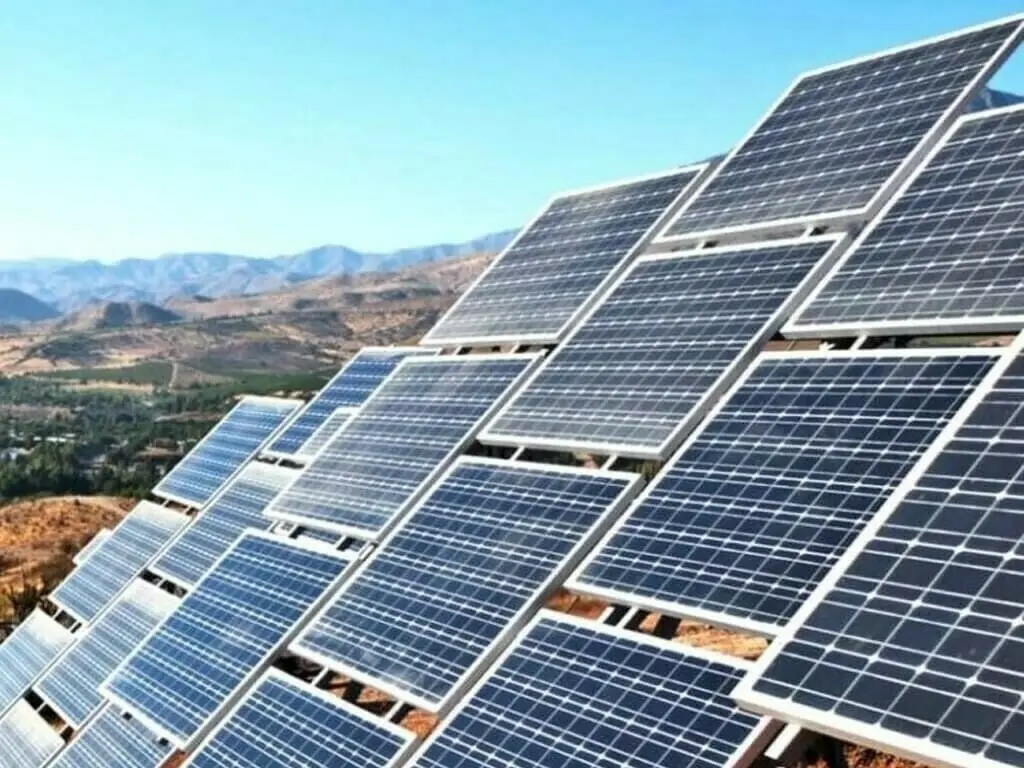
Pakistan's shift from net metering to net billing for solar energy sparks controversy, affecting 466,000 households. Critics say it doubles solar payback time, while studies highlight solar's poten...
Detailed Analysis
COVERAGE ACROSS SOURCES
How different outlets covered this story.
5 outlets · 5 articles
Filter:
PT
Pakistan Today
Updated 3h agoPBPT
Profit by Pakistan Today
Updated 4h agoBR
Business Recorder
Updated 5h agoPR
ProPakistani
Updated 7h agoTE