
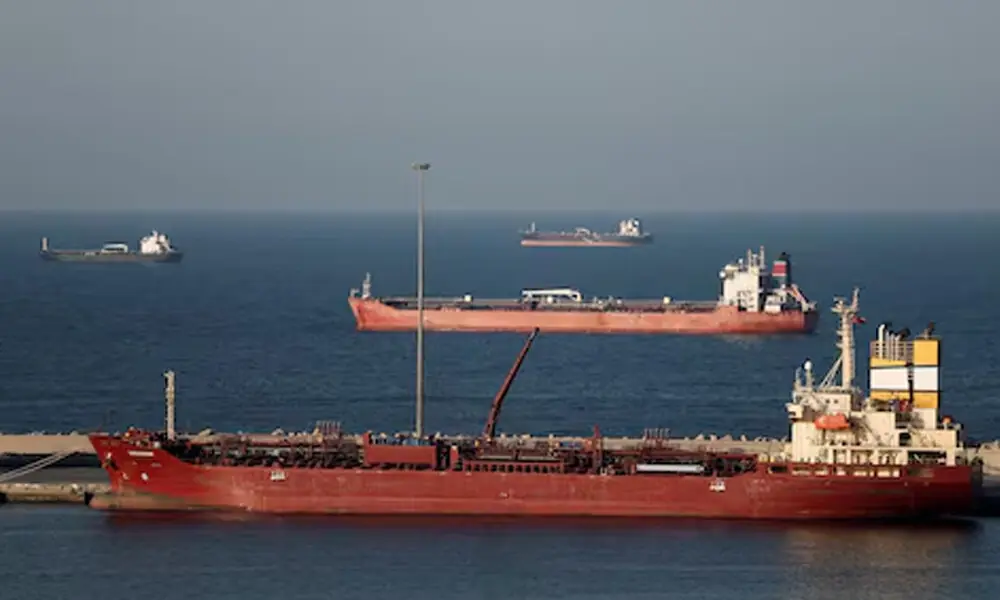
US-Iran Tensions: Control Over Hormuz
The US government is enforcing a blockade to pressure Iran and ensure energy security, while Iranian officials assert their control over the Strait of Hormuz, claiming it as their natural right. Both sides express strong positions amid ongoing military actions.
Economic Consequences of Hormuz Blockade
The blockade of the Strait of Hormuz has led to significant disruptions in global oil supply, with prices surging and concerns about the broader economic impact on supply chains and food security. The UN Secretary-General warns of dire consequences if the situation persists.
Common Ground
Traffic through the Strait of Hormuz has drastically decreased, with only seven ships passing in a day compared to an average of 140 before the conflict. The UN Secretary-General has called for the reopening of the strait to facilitate trade and alleviate economic strain.
Where sources diverge
While the US government emphasizes the need for a blockade to pressure Iran and maintain energy security, Iranian officials assert their control over the strait and threaten retaliation against US actions. Iraq's deputy oil minister stated that oil output could return to normal within days if the strait reopens.