
The recent decree from the Taliban, signed by supreme leader Hibatullah Akhundzada, has intensified the repression of rights and freedoms in Afghanistan, particularly affecting women and girls. UN human rights chief Volker Turk stated that the decree 'defines several crimes and punishments that contravene Afghanistan’s international legal obligations' and extends the death penalty to more offenses, while also legitimizing corporal punishment in homes. Turk emphasized that this decree 'provides for the use of corporal punishment for numerous offences, including in the home, legitimising violence against women and children.' He described the situation as akin to 'gender apartheid' and urged the Taliban to rescind the decree and impose a moratorium on executions. The Taliban, however, maintains that women's rights are internal matters, insisting they should be addressed locally (Dawn, February 27, 2026; ddnews, February 26, 2026).
POLITICS
Un Reports Taliban'S Increased Executions And Repression In Afghanistan
100% NEGATIVE
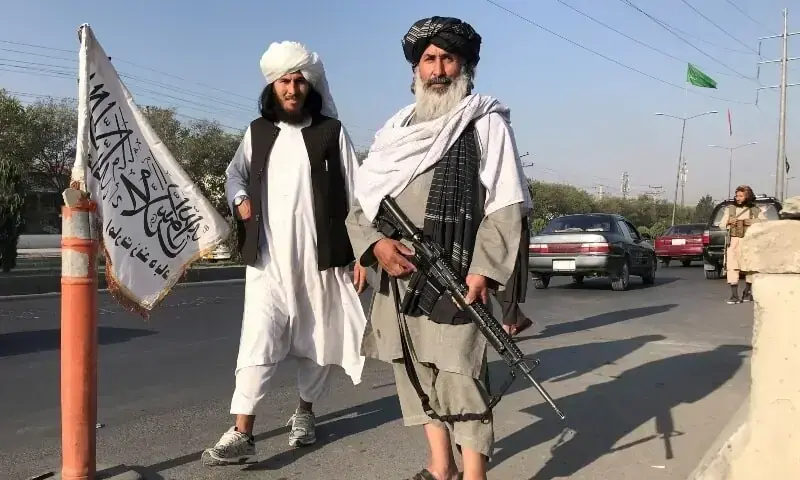
The Taliban's new decree intensifies repression in Afghanistan, particularly against women, amid rising tensions with Pakistan following civilian casualties, highlighting urgent human rights concerns.
Detailed Analysis
SOURCES
4 outlets · 4 articles
DTdailytimes.com.pk
DDddnews.gov.in