
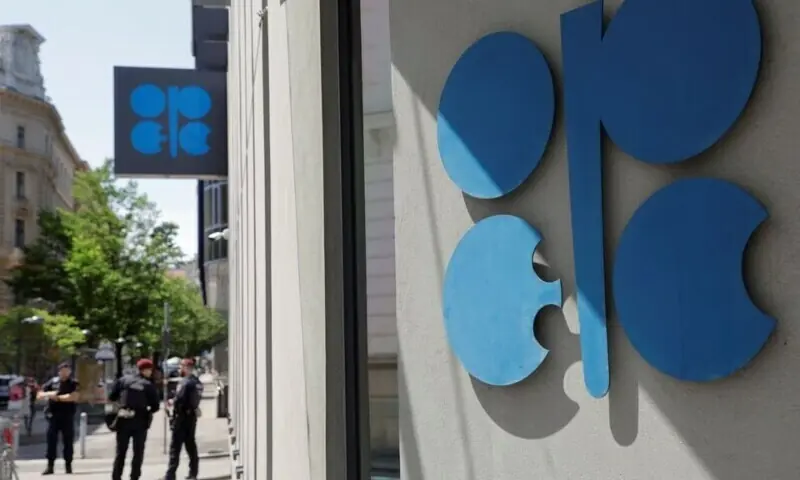
UAE's OPEC Exit: A Shift in Oil Dynamics
The UAE's decision to leave OPEC is driven by a desire for greater autonomy in oil production and dissatisfaction with output constraints. Analysts suggest this move could reshape regional power dynamics, particularly in relation to Saudi Arabia, and enhance the UAE's ability to respond to market demands.
OPEC+ Response to UAE's Departure
OPEC+ officials, including Russia's Deputy Prime Minister, have stated that the group will continue to operate despite the UAE's exit. They emphasize that a price war is unlikely, citing a global oil deficit and ongoing geopolitical tensions affecting supply.
Common Ground
The UAE announced its exit from OPEC and OPEC+ effective May 1, 2026, citing a desire for greater control over its oil production. The decision comes amid ongoing geopolitical tensions, particularly related to the Iran conflict.
Where sources diverge
Analysts differ on the implications of the UAE's exit: some view it as a challenge to Saudi Arabia's influence and a shift in Gulf power dynamics, while others emphasize its potential to enhance UAE's oil revenues and production autonomy.