
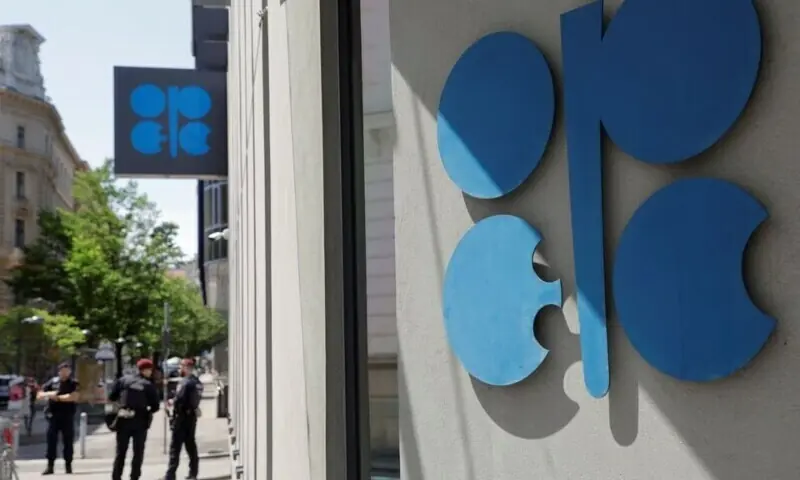
UAE Exit: Shift in Gulf Power Dynamics
The UAE's departure from OPEC is seen as a significant shift in Gulf power dynamics, particularly in relation to Saudi Arabia. Analysts suggest that this move reflects the UAE's desire for greater autonomy and dissatisfaction with OPEC's production quotas, indicating deepening tensions between the two nations amid ongoing regional conflicts.
Market Analysts: Implications of UAE's OPEC Exit
Market analysts have stated that the UAE's exit from OPEC may not have an immediate impact on oil prices but could lead to increased production from the UAE in the long term. Fitch Ratings noted that the UAE's oil exports are currently constrained, but once conditions normalize, the UAE could increase its output without OPEC's limitations.
OPEC+ Stability: Russia's Perspective
Russian officials, including Deputy Prime Minister Alexander Novak, have confirmed that OPEC+ will continue to operate despite the UAE's exit. They emphasized that a price war is unlikely due to a global oil deficit, and the UAE's departure is viewed as a challenge to OPEC's credibility but not a fatal blow to the alliance.
Common Ground
The UAE announced its decision to leave OPEC and OPEC+ effective May 1, 2026, citing a focus on national interests. The UAE accounts for 12% of OPEC's output and is the third-largest oil producer.
Where sources diverge
Sources differ on the implications of the UAE's exit: some emphasize a shift in Gulf power dynamics and tensions with Saudi Arabia, while others focus on the potential for increased UAE oil production and market adjustments.