
U.S. Extends Naval Blockade of Hormuz
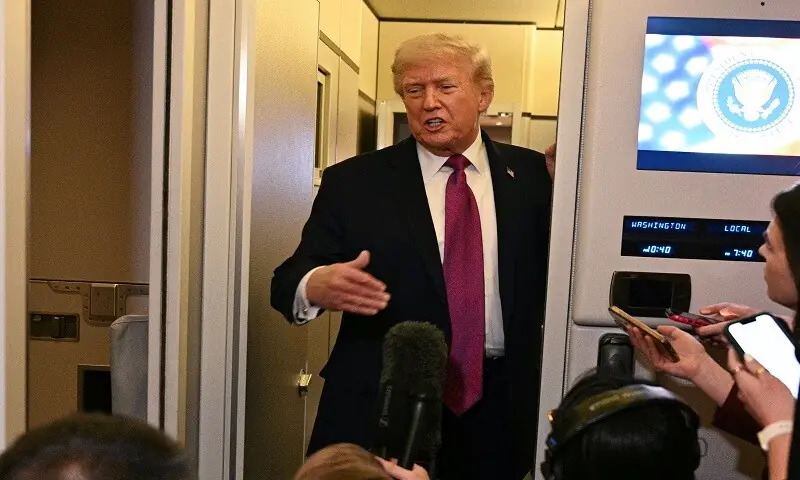
President Trump has indicated that the U.S. may extend its naval blockade of the Strait of Hormuz for several months, aiming to pressure Iran economically while avoiding military action. The blockade has already disrupted global oil supplies, and Trump has rejected Iran's proposal to lift it in exchange for nuclear negotiations. The U.S. administration is now seeking assistance from allies to navigate the strait amid ongoing tensions.
Iran Responds to U.S. Blockade and Remarks
Iranian officials, including President Masoud Pezeshkian and Foreign Minister Abbas Araghchi, have condemned the U.S. blockade and Trump's remarks about renaming the Strait of Hormuz. They assert that such actions exacerbate tensions and threaten regional stability, emphasizing Iran's control over the strait. President Trump has expressed dissatisfaction with Iran's new proposal amid stalled peace talks.
UAE Officials Express Mistrust Towards Iran
A senior UAE official has voiced deep mistrust towards Iran, stating that any unilateral arrangements made by Tehran regarding the Strait of Hormuz cannot be trusted. This sentiment reflects ongoing regional tensions and concerns over Iran's actions in the vital maritime route.
Common Ground
Iran has expressed concerns over U.S. President Trump's remarks regarding the Strait of Hormuz, while tensions between the U.S. and Iran continue to escalate amid a naval blockade.
Where sources diverge
Sources differ on the implications of Trump's remarks for global trade and regional stability.