
Recent findings from a national survey presented to the Pakistani parliament reveal that a staggering 68% of drinking water samples collected from major urban areas are unsafe for human consumption. This alarming statistic comes from the Pakistan Council of Research in Water Resources (PCRWR), which tested 2,205 samples from 70 cities in 2025. The report highlights that only 32% of the samples met safety standards, with 59% of the contaminated samples showing microbial pollution capable of causing serious illnesses. Despite a gradual improvement over the past two decades, where safe drinking water levels increased from 12-18% in the early 2000s to around 48% in 2025, the proportion of safe water has never exceeded 50%. The report indicates significant regional disparities, with Sindh having the highest unsafe water levels at 89%, followed by Azad Jammu and Kashmir at 85% and Punjab at 61%. Karachi is particularly concerning, with 91% of its samples deemed unsafe, while smaller towns like Mardan and Nowshera reported 100% safe samples, albeit from a very limited number of tests. The government attributes the widespread contamination to factors such as over-extraction of groundwater, leaking sewage systems, and untreated industrial waste polluting water sources. As stated in the report, "the proportion of safe water has not exceeded 50% at any point during the monitoring period," underscoring the ongoing public health risks (Nukta Pakistan, March 1, 2026).
HEALTH
National Survey Reveals Unsafe Drinking Water In Pakistan Cities
67% NEGATIVE
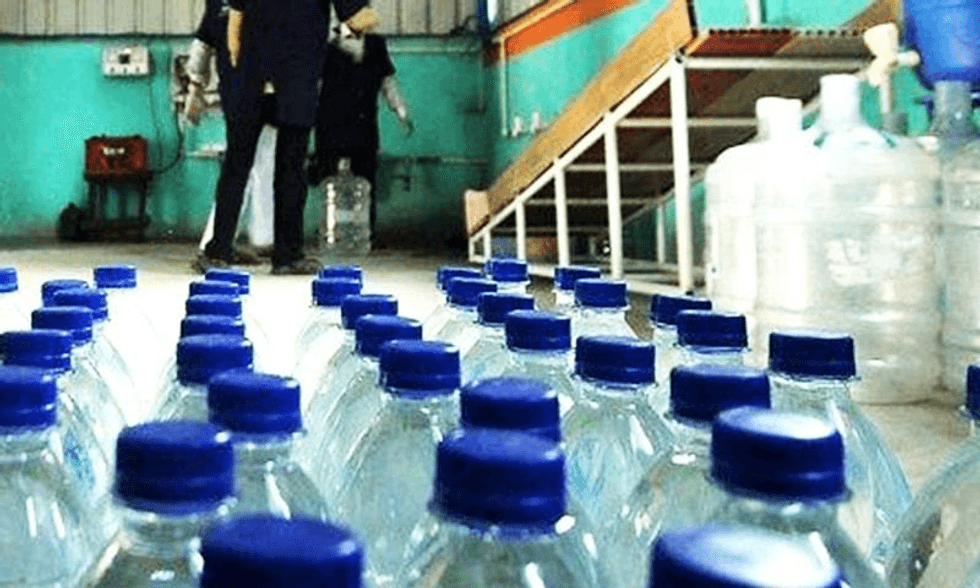
A national survey reveals 68% of urban drinking water in Pakistan is unsafe, with Sindh at 89%. In response, Karachi's government plans Rs 5 billion for wastewater treatment to improve water quality.
Detailed Analysis
SOURCES
3 outlets · 3 articles
NPnukta.com
NLnukta.com