
Recent discussions among policymakers and exporters highlight the burgeoning potential of the organic food market, projected to reach $300 billion by 2026. Najam Mazari, head of an organic research institute, emphasizes the need for a comprehensive framework to enhance organic exports, particularly by linking small farmers with international buyers. He states, "Most organic growers operate on small landholdings, which makes individual certification both costly and complicated," advocating for collective certification to ease the burden. Mazari also calls for the establishment of dedicated organic zones to improve infrastructure, saying, "Without proper infrastructure, it is difficult to meet the strict requirements of markets in Europe and North America." However, the push for organic farming faces significant challenges, particularly in a country like Pakistan, where food security issues persist. Nisar Ahmed, a small-scale farmer, cautions that the focus on organic infrastructure must be realistic given the ongoing struggles with conventional food systems, noting, "When the conventional food system is struggling with storage shortages and supply chain inefficiencies, shifting immediate focus to a highly specialised organic infrastructure will not be easy."
BUSINESS
Najam Mazari Advocates For Organic Farming Infrastructure In Pakistan
50% NEUTRAL
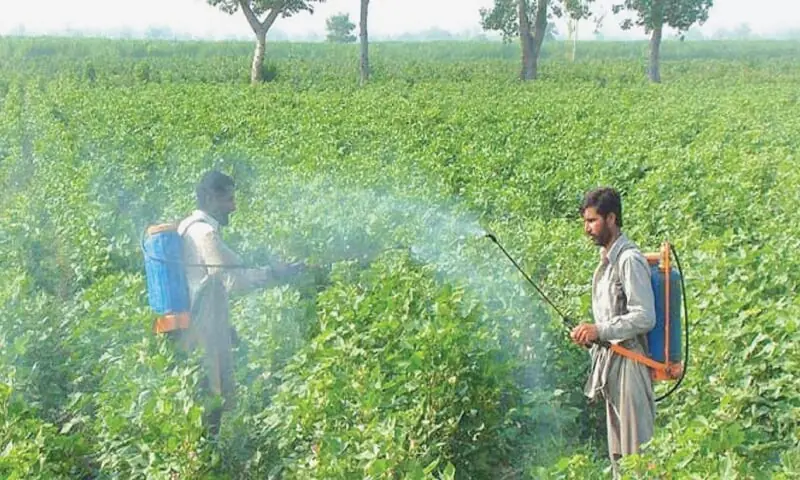
Discussions on Pakistan's organic food market's potential highlight the need for collective certification and infrastructure, while pesticide use raises ecological concerns, complicating agricultur...
Detailed Analysis
SOURCES
2 outlets · 2 articles