
In Pakistan, approximately 2 million tonnes of plastic waste is generated each year, but only a small fraction, 15-18%, is recycled. Without immediate action, this figure could escalate to 12 million tonnes by 2040, leading to severe environmental consequences such as urban flooding and air pollution from burning waste. The CoRE Alliance, formed by food and beverage companies, NGOs, and packaging firms, is advocating for a national framework called Extended Producer Responsibility (EPR) to shift the financial burden of waste management from consumers to producers. This initiative aims to ensure that businesses are accountable for the entire lifecycle of their products, promoting better plastic management and sustainability. However, experts stress the importance of including the estimated 200,000 to over 333,000 informal waste workers in this framework, as they handle about 40% of the country's waste. Dr. Ayesha Khan emphasizes that recognizing these workers as 'frontline partners' is crucial for the success of EPR.
OTHERLast Update 20h ago
Karachi's Urban Poverty Crisis and Child Street Labor Issues
50% NEUTRAL
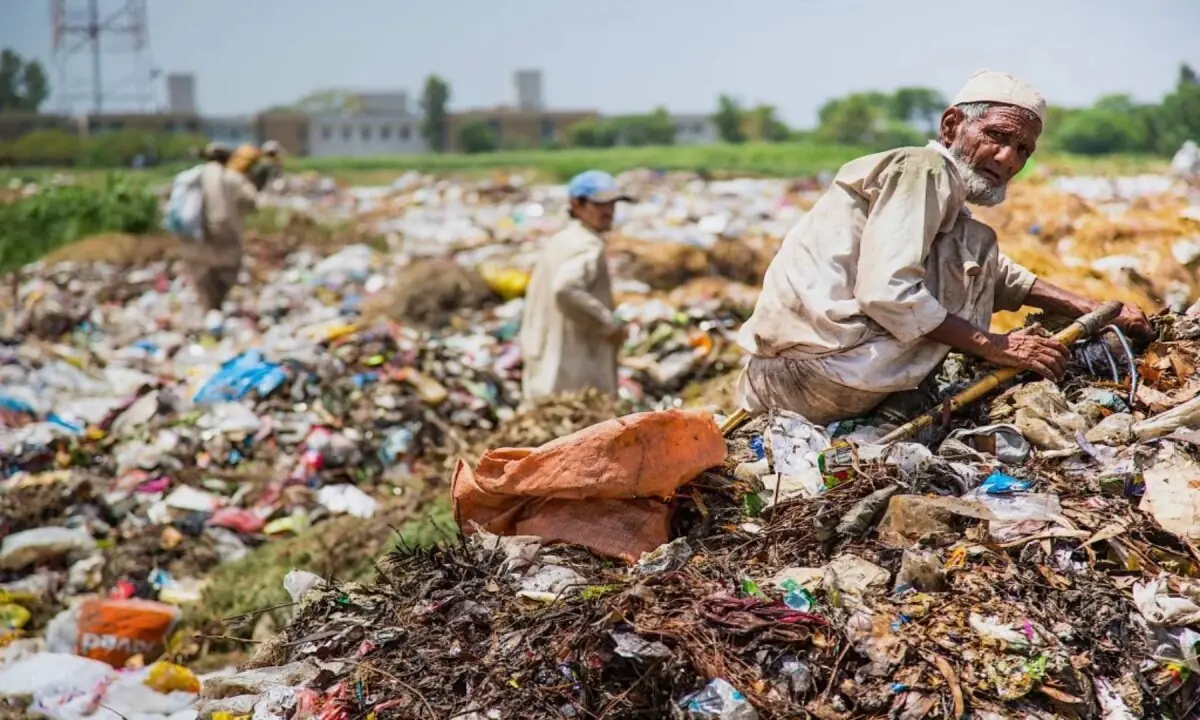
Pakistan is grappling with a plastic waste crisis, generating about 2 million tonnes annually, with only 15-18% recycled. A new initiative involving the CoRE Alliance aims to implement Extended Producer Responsibility (EPR) to improve waste management, while also recognizing the vital role of informal recyclers, including children, in the waste sector.
Detailed Analysis
SOURCES
2 outlets · 2 articles