
Iran's Revolutionary Guard has announced it has 'complete control' over the Strait of Hormuz, a vital shipping route for oil and gas. This declaration follows escalating military actions and threats against vessels attempting to navigate through the strait. With the potential for attacks on shipping, global oil prices are surging, and shipping costs are expected to rise sharply. J.P. Morgan analysts warn that if the strait remains closed, Iraq and Kuwait could be forced to cut oil output significantly, impacting global supply chains.
INTERNATIONALLast Update 1h ago
Iran's Revolutionary Guard Claims Control Over Strait of Hormuz
50% NEUTRAL
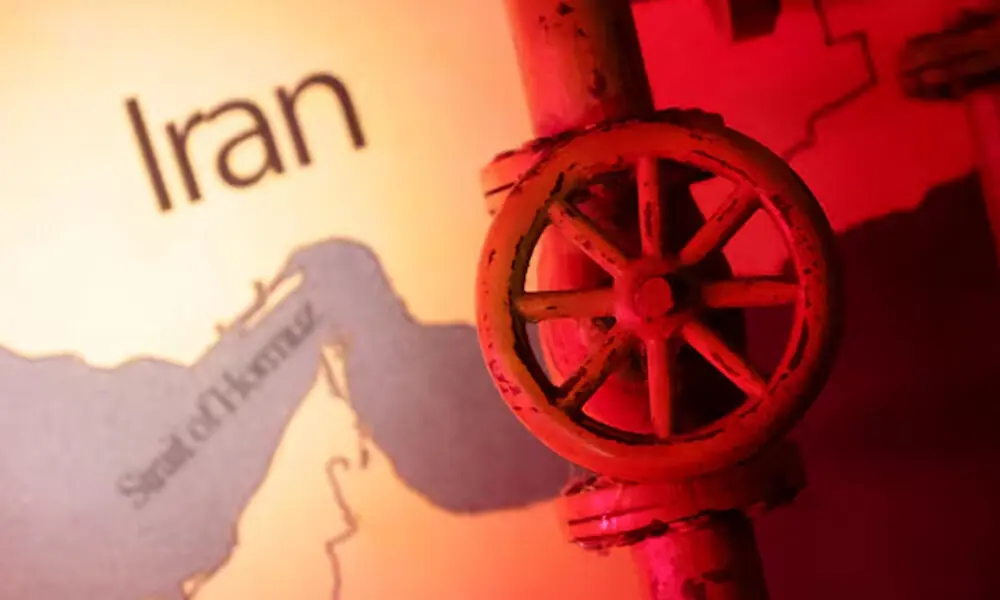
Tensions in the Middle East have escalated as Iran's Revolutionary Guard declared complete control over the Strait of Hormuz, threatening shipping routes. The U.S. is considering armed escorts for tankers, with significant implications for global oil supply and shipping costs.
Detailed Analysis
Key quote
Ships are now afraid to cross the Strait of Hormuz, and that has profound implications for the global economy.
Al Jazeera
Source sentiment
Negative
Reports from various outlets emphasize the severe implications of the U.S.-Iran conflict, highlighting fears around shipping safety, rising oil prices, and broader economic disruptions, reflecting a negative sentiment towards the current situation.
THBRMEEFTAJNYTTGSCMPBNPPNNWEUNLWITLPNNBNANGW
Neutral
The Guardian reports on China's call for protection of vessels in the Strait of Hormuz, providing a neutral perspective on the escalating tensions and their impact on shipping costs.
TNP-EGBBWAI
Positive
The New York Times highlights the U.S. Navy's readiness to escort tankers, suggesting a proactive approach to ensure shipping safety in the Strait of Hormuz.
GN
SOURCES
24 outlets · 78 articles
BRbrecorder.com
MEEmiddleeasteye.net
NYTnytimes.com
GNglobalnews.ca
TGtheguardian.com
SCMPscmp.com
TNP-Ethenews.com.pk
GBgeo.tv
PPprofit.pakistantoday.com.pk
NNWnbcnews.com
EUeuronews.com
TLtribune.com.pk
PNNpakistannews.net