
The Tribune Home reports a significant threat to Pakistan's tomato exports due to heavy metal pollution, which poses risks to food safety, farm incomes, and export sustainability. With an annual production of over 569,000 tonnes, tomatoes are crucial for the economy, generating more than $100 million in export revenue. However, rapid industrialization, particularly in cities like Sialkot, Kasur, and Lahore, has led to soil and water contamination with hazardous metals such as chromium, cadmium, and lead. These metals are absorbed by tomato plants, accumulating in the fruit and posing serious health risks, including carcinogenic effects. Tahir Naqqash from Bahauddin Zakariya University highlights that contamination levels exceed international safety limits, threatening both domestic health and international trade. Efforts are underway to develop biological soil treatment methods in collaboration with Shenyang Normal University, focusing on detoxifying contaminated soils and preventing cadmium accumulation in tomatoes. Naqqash emphasizes the need for sustainable solutions, stating, 'It made me consider not only how to remove heavy metals from soil but also how to manage the residues after the bioremediation process.'
ENVIRONMENT
Heavy Metal Pollution Threatens Tomato Exports from Pakistan
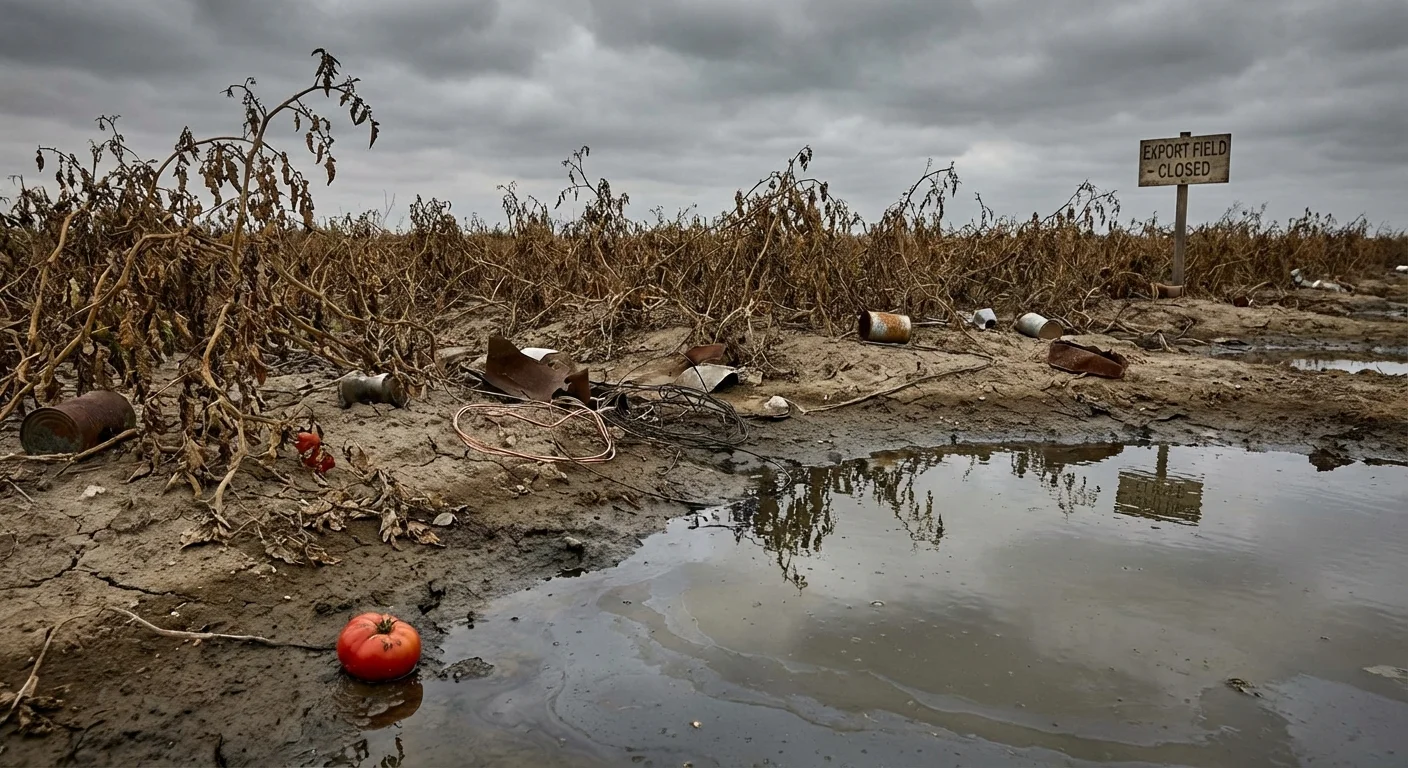
Pakistan's tomato exports face threats from heavy metal pollution, risking health and economy. Copper prices rise due to demand and import duties, reflecting broader economic trends.
Detailed Analysis
COVERAGE ACROSS SOURCES
How different outlets covered this story.
2 outlets · 3 articles
Filter: