
The British Museum's recent decision to revise references to 'Palestine' in its ancient Middle East galleries has ignited significant controversy, particularly in light of ongoing violence in Gaza and the West Bank. This revision, influenced by objections from UK Lawyers for Israel (UKLFI), has been interpreted by many as an attempt to erase historical narratives that support Palestinian identity. As noted in an editorial by Business Recorder, 'the language of anachronism thus becomes a vehicle for political erasure,' reflecting a broader pattern of pressure from pro-Israel groups. The museum's actions have prompted a backlash, with over 5,000 individuals signing a petition urging the reversal of these changes, indicating a crisis of confidence in the institution's impartiality. Historian William Dalrymple criticized the museum's decision, stating, 'it is inconsistent to dismiss a term with such deep historical roots,' referencing the term 'Palestine's' appearance on ancient monuments dating back to 1186 BCE. This sentiment is echoed by other academics who argue that 'ancient Palestine' is a well-established term in classical studies, further complicating the museum's justification for the changes.
CULTURE
British Museum Revises 'Palestine' References Amid Gaza Violence
100% NEGATIVE
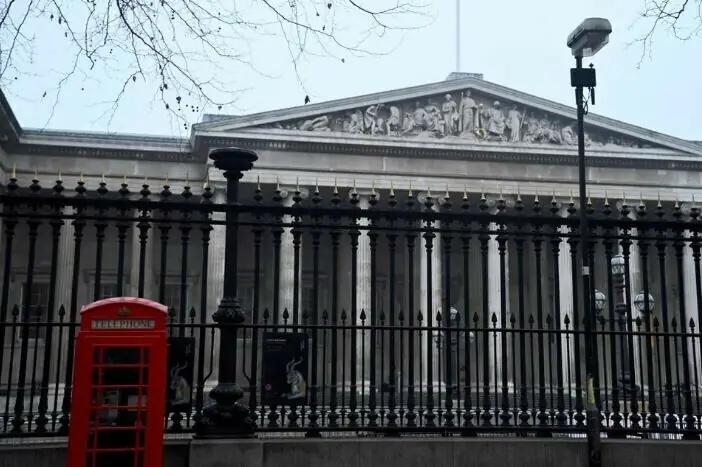
The British Museum's revision of 'Palestine' references in its galleries has sparked controversy, seen as an erasure of Palestinian identity amid ongoing conflict, prompting public backlash and deb...
Detailed Analysis
SOURCES
2 outlets · 2 articles
BRbrecorder.com